HPV116/HPV145 Charge Pump
Green Hydraulic
Yes
ISO9001,CE
1. Industrial Hydraulic Systems 2. Mobile Equipment (Industrial Vehicles) 3. Construction and Engineering Machinery 4. Metallurgy Industry
spline shaft
1 set


Product Description
The HPV116 and HPV145 Charge Pumps function as important low-pressure oil supply units in hydraulic systems. They are designed to provide the main pump with stable charge flow and charge pressure. The pumps operate based on the principle of volumetric hydraulic transmission, where the meshing rotation of external gears changes the volume of sealed working chambers, enabling continuous suction and discharge of hydraulic oil.
These charge pumps help maintain favorable suction conditions for the main pump, supply oil for system control circuits, and provide necessary lubrication and cooling for key internal components. When the main pump high-pressure circuit operates under long-term high-pressure and heavy-load conditions, the charge pumps ensure a stable charge pressure supply, helping prevent cavitation and insufficient oil supply. This reduces wear and potential damage to critical components such as the pistons, bearings, and valve plate, ensuring stable and efficient operation of the entire hydraulic system, extending equipment service life, and reducing maintenance costs.
Low Noise & High Efficiency:Optimized gear design ensures smooth operation, low noise, and high volumetric efficiency.
Improve Main Pump Stability:Provides stable charge oil flow to maintain proper lubrication and cooling of the main pump.
Extend Hydraulic System Service Life:Reliable charge oil supply reduces wear and helps extend the lifespan of the hydraulic system.
Multiple Control Options:Compatible with different hydraulic control systems to meet various application requirements.
Specifications
| Type | Model | displacement(cm3) | Shaft Type |
| Gear Pump | HPV116/HPV145 | other | Spline Shaft |
Applications
Hydraulic drives with high pressure, heavy load, variability, large displacement, long service life, and reliability.
Steel metallurgy and forging machinery
Ceramic and refractory material presses
Shipping and hydroelectric systems
Rubber vulcanization and paper production
Petroleum equipment
Construction and mobile machinery
Railway and tunneling machines

Charge pumps are typically packaged securely to prevent damage during transit. The packaging includes:
Protective Wrapping: To safeguard the pump from environmental damage.
Custom Crates: For larger, heavier pumps, ensuring safe handling.
Documentation: Includes installation, maintenance instructions, and warranty details.
Delivery time depends on the model, customizations, and location but typically ranges from 2 to 6 weeks from the order date.
Charge pumps are manufactured in compliance with international standards, ensuring high performance and reliability:
ISO 9001: Certified for quality management systems.
CE Certification: Ensures compliance with European safety, health, and environmental protection standards.
RoHS Compliance: Ensures the pump does not contain hazardous materials.
Factory Testing: Every pump is rigorously tested for performance, pressure, and leak integrity before shipping.
Charge Pump FAQ
A: No, it is integrated with the main pump and does not require separate installation. When replacing, ensure that the spline shaft is accurately aligned with the main pump drive shaft, tighten the fixing screws with a torque wrench, keep the contact surface flat and free of impurities, and use a seal ring of the correct size to ensure sealing performance.
2.What preparations are needed before starting the Charge Pump for the first time?
A: Manually fill the charge pump with clean hydraulic oil through the drain port to empty the internal air and avoid dry running damage. Jog start several times to confirm that the rotation direction is clockwise (when viewed from the shaft end), and there is no abnormal sound or oil leakage before formal operation. In addition, manually turn the main shaft to check the self-priming condition of the charge pump.
3.What are the requirements for hydraulic oil when using the Charge Pump?
A: The cleanliness of hydraulic oil must meet the ISO 18/15 standard, and the oil temperature should be kept between 15–65℃. It is recommended to regularly replace hydraulic oil and filters; under harsh working conditions such as mines and high dust, the replacement cycle should be shortened to avoid component wear caused by oil pollution.
4. Can the rotation direction of the Charge Pump be reversed? What are the consequences of reverse rotation?
A: No, it cannot be reversed; its rotation direction is the same as that of the main pump. Reverse rotation will cause no oil delivery, system pressure loss, internal gear wear, and even damage to the pump body and the main pump. When installing, pay attention to the chamfer direction of the gear rotor to avoid reverse installation.
5. Is the Charge Pump a dedicated accessory? Can it work normally without it?
A: It is a dedicated charge pump for the main pump and cannot be used universally with other models. The main pump cannot work normally without it, which will cause serious damage to the internal components of the main pump and affect the service life of the entire hydraulic system.
6.Can the displacement of the Charge Pump be replaced arbitrarily?
A: No, it cannot. The standard displacement is matched to the system requirements of the host equipment. Replacing it with an unapproved displacement (either smaller or larger) will lead to insufficient oil supply or excessive pressure, which may cause system failure or component damage. The appropriate displacement should be selected strictly according to the actual working conditions and system design parameters of the equipment.
The pump's flow is adjusted by changing the angle of an internal swash plate. As the swash plate angle changes, the stroke length of the pistons varies, which in turn changes the volume of fluid displaced per rotation, allowing the flow rate to adapt to the system's needs.
We are a manufacture for vane pumps。.We are located in Changzhou City, Jiangsu Province, China.Welcome to visit us.
Factory established in 2005;
With a great deal of production experience;
80+ employees become the professional team;
Constant updated ERP system ensure efficiency of work;
Sophisticated equipment ehanced the accuracy of products;
Professional salesmen provide the greast service;
With a large number of famous customers all over the world;
Great after-sales service;
With the long term cooperation with famous logistics and express company in China,provide the better goods service.
Small order/sample order,full payment in advance; Big orders send the first payment 30% before the production,and the balance before shippment.We'll show the photos of the products and packages before delivery.
Of course we can. Just send me your logo we can make it for you.
America(40.5%):USA, Canada, Argentina, Brazil
Europe(30.8%):Italy,Germany,England,Holland,Spain,Swiss,Finland,Russia,Poland.
Asia(23.5%):Korea,singapore,India,Turkey,Vietnam,Saudi Arabia,Syria, Israel,Lebanon.
Others(5.8%).
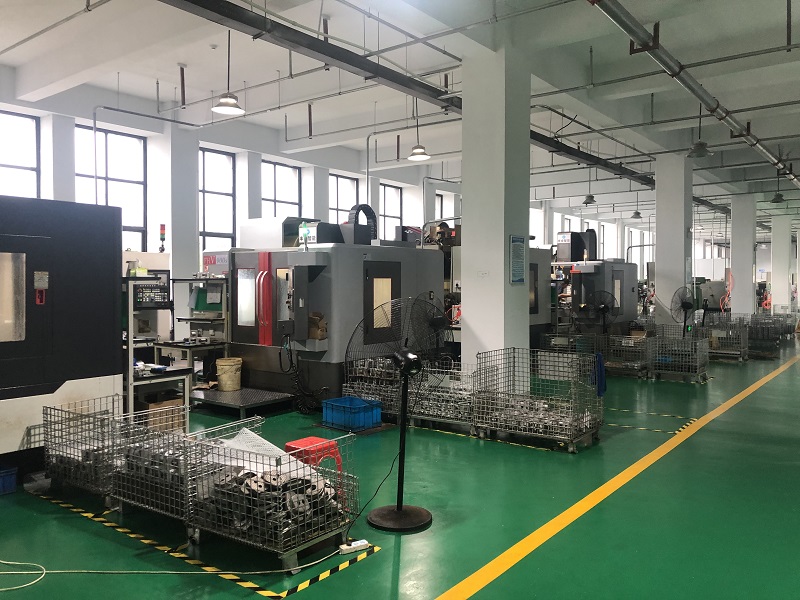
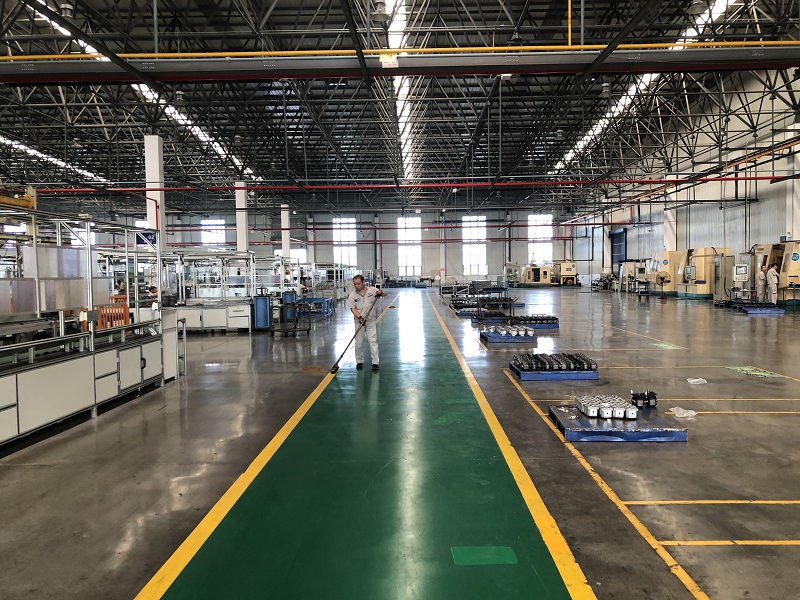
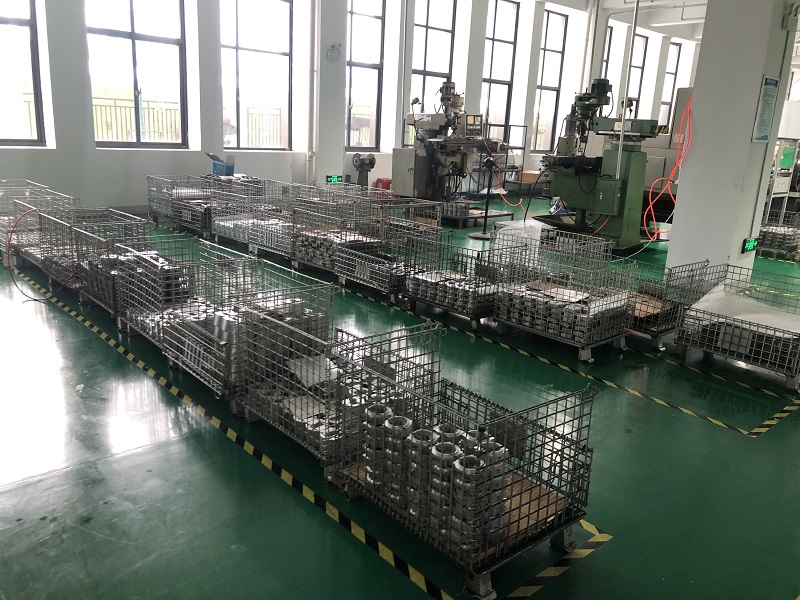
The Green hydraulic pump manufacturing facility is a specialized industrial plant that focuses on producing hydraulic pumps and related components. These factories are equipped with advanced machinery and technology to fabricate high-quality pumps designed for a wide range of applications, from heavy equipment and machinery to automotive and industrial systems.
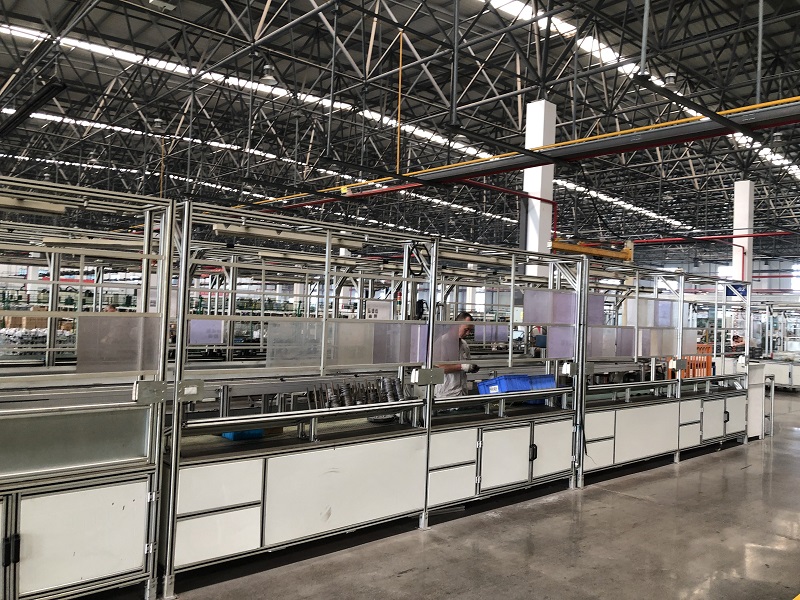
The production process typically involves precision engineering, where raw materials like metals and alloys are processed into pump components such as gears, pistons, cylinders, and seals. These parts are then assembled into fully functional hydraulic pumps, which are tested for performance and quality control to ensure reliability, efficiency, and durability under various working conditions.
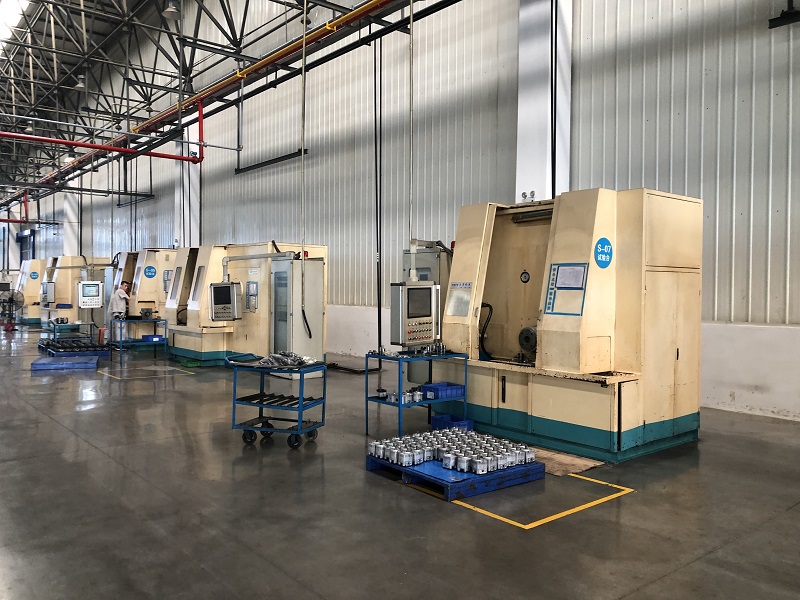
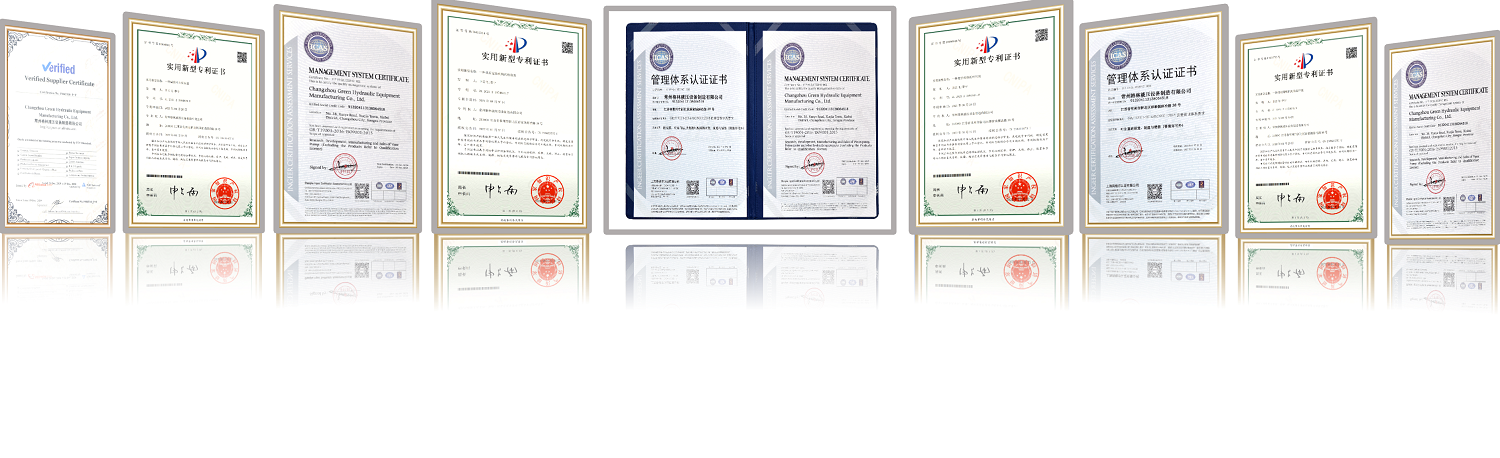
All hydraulic pumps produced by Green Hydraulic have undergone compliance testing, ensuring their quality and reliability.
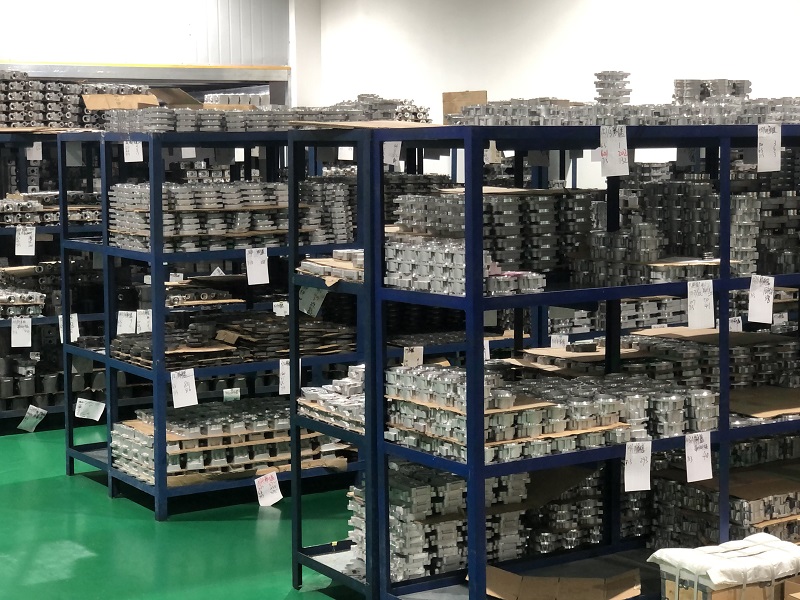
To meet the diverse needs of different industries, the green hydraulic offer customization options, such as specialized seals, materials, and pump configurations. These facilities often work closely with engineering teams to develop tailored solutions for specific applications, from high-pressure systems to low-flow, high-efficiency pumps.